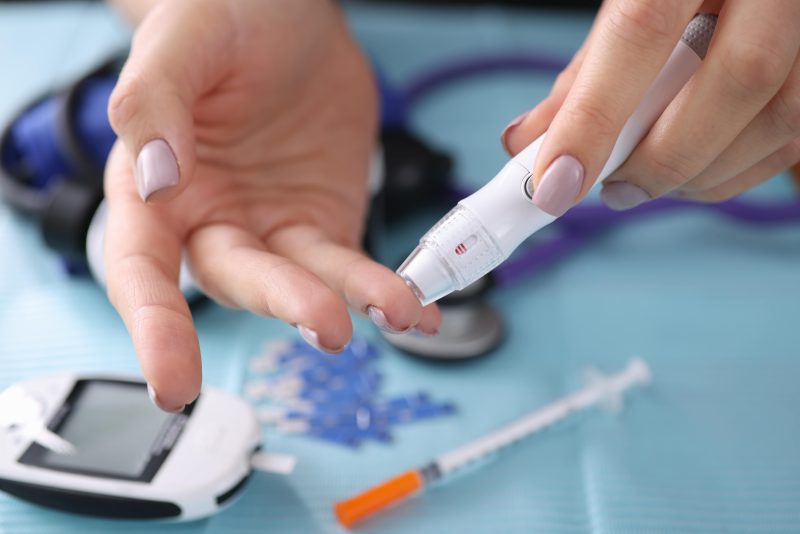
Diabetes mellitus is a condition caused by a lack of the hormone insulin, the body's insensitivity to insulin (insulin resistance), or both. Without insulin, cells cannot absorb glucose, blood sugar levels rise, and numerous metabolic disorders develop.
Diabetes is a global public health concern — it can develop at any age. In Hungary, approximately 15% of the adult population is estimated to suffer from some form of glucose metabolism disorder. Acute and chronic complications (ophthalmological, renal, neurological and cardiovascular damage) can significantly reduce quality of life, making early detection and treatment crucial.
Types of diabetes
Type 1 diabetes — An autoimmune disease in which the immune system attacks the insulin-producing beta cells of the pancreas, leading to insulin deficiency. It can develop at any age but most commonly appears in childhood and adolescence. Symptoms may appear rapidly. Treatment requires daily insulin injections or an insulin pump.
Type 2 diabetes — The most common form, where the body cannot use insulin effectively (insulin resistance). Later, insulin production may also decrease. Unhealthy lifestyle, lack of exercise and excess weight play a decisive role. It is manageable with lifestyle changes, medication and, if necessary, insulin therapy.
Gestational diabetes — Caused by hormonal changes during pregnancy. It usually normalises after delivery, but immediate treatment is necessary upon diagnosis — strict diet and, in severe cases, insulin therapy.
Rare forms — Including monogenic diabetes (MODY), which is genetic in origin, and pancreatogenic diabetes, which may develop as a complication of another disease (inflammation, tumour, surgery).
Pre-diabetic conditions are collectively known as prediabetes — its recognition is of particular importance as the processes are still largely reversible at this stage.
When should you see a diabetologist?
- Symptoms suggesting diabetes: abnormal thirst, exhaustion, visual disturbances, weight loss, frequent urination, recurring fungal infections, numb limbs, slow-healing wounds
- Elevated blood sugar detected during laboratory testing
- High blood sugar confirmed during pregnancy
- Screening with overweight, obesity, high blood lipids or high blood pressure
- Regular screening over age 45
- Family history of diabetes
- Blood sugar adjustment and monitoring for known diabetes
- Suspected or investigation of diabetic complications
What happens during the examination?
During the consultation, the specialist thoroughly asks about complaints, lifestyle, dietary habits and family history of diabetes. Medical history and recent findings are reviewed, and current condition is assessed.
This is followed by physical examination, blood pressure and pulse measurement, and fingertip blood glucose testing. Based on results, further tests may be ordered to rule out complications. For insulin-treated patients, continuous glucose monitoring (CGMS) and laboratory HbA1c results allow fine-tuning of therapy.
How to prepare
Fasting is not required for the diabetology consultation. Please bring all previous documentation, a list of current medications, home blood glucose results, and CGMS data if available.
Why choose IRIS Medical for diabetology?
Our diabetology practice features experienced specialists with state-of-the-art diagnostic equipment. Beyond medication, we place great emphasis on lifestyle therapy: individually tailored physical activity and modern nutrition.
We provide personalised care, attending to medical history, family background and individual patient needs. Please contact us with confidence for diabetes-related complaints or preventive screening.